The melancholy history of the English country house in the twentieth century has often been written as one of loss and rescue: the long decline of landed society, the tragic demolitions of the inter- and post-war years, the rise of preservation campaigns, and the eventual intervention of organisations such as the National Trust. Scholars have understandably concentrated on ownership, architecture, collections, and the struggle to secure survival. Yet one important chapter has remained curiously overlooked. From the 1930s onwards, the Youth Hostels Association occupied dozens of country houses, often at the precise moment when their future stood in doubt. Rather than being museums or carefully interpreted heritage attractions, these were working buildings filled with cyclists, walkers, school groups, and young travellers who cooked in former servants’ quarters, slept beneath plaster ceilings and oak beams, and passed casually through spaces once reserved for a narrow social world. In scale alone, the movement represented one of the largest and least remarked encounters between ordinary people and the architecture of the country house before the great expansion of post-war heritage tourism.
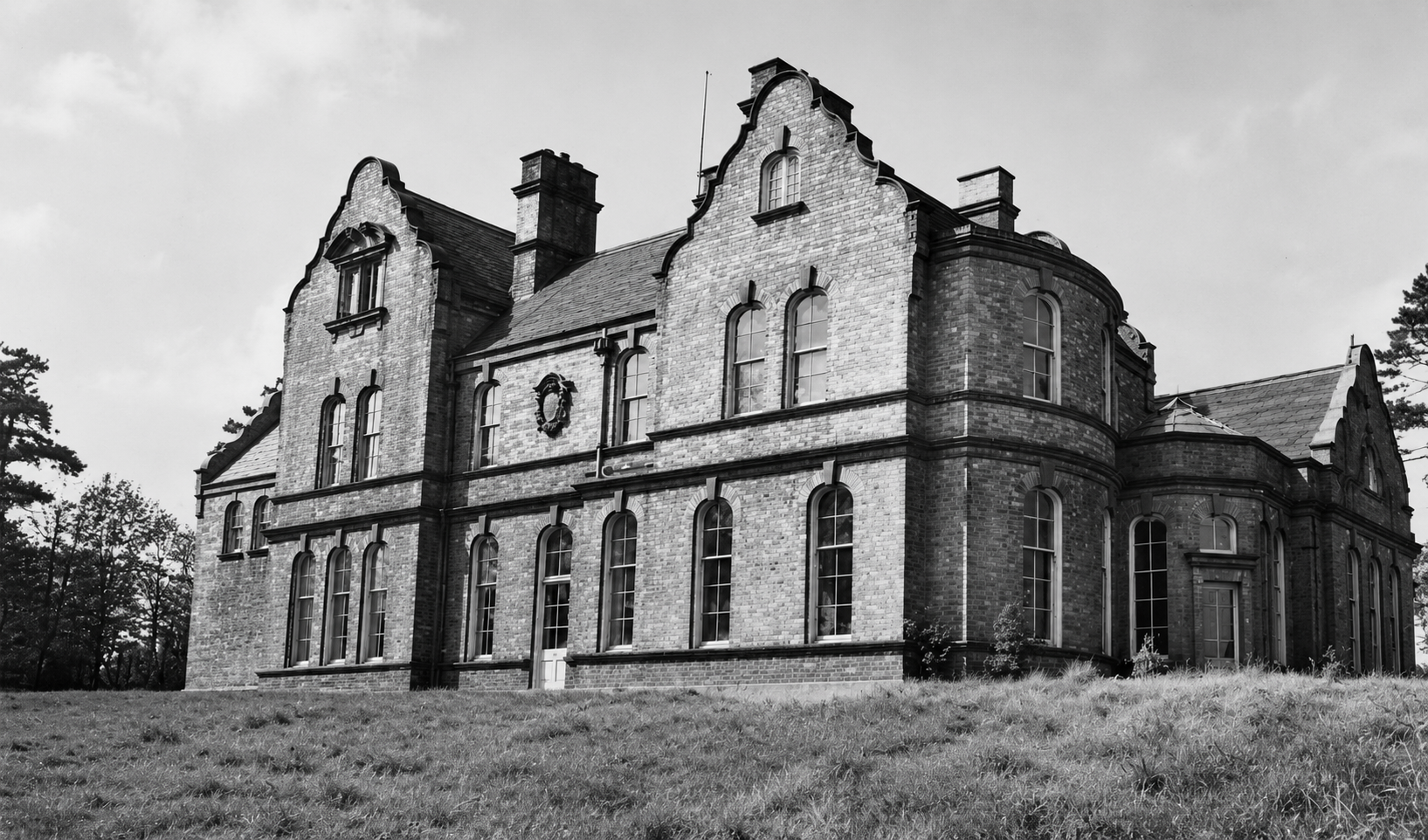
The crisis of the country house in the early 20th-century stripped bare the function of the country house. When worsening circumstances emptied the house of it’s people, social life, and contents, what remained but an empty building? Yet, in those dark periods when the fate of so many country houses was abandonment and dereliction, a new social movement, the Youth Hostel Association, helped take these houses from private use into the hands of young people who had no particular interest in preserving them but who valued them for their primary function; that of a place of shelter and companionship. In doing so, these encounters, however incidental – and often overlooked in the broader history of the country house – may have helped foster a broader sense of familiarity with the historic environment, one that quietly underpinned later sympathy towards the country house, even where the buildings themselves did not survive.
Even by the 1930s, public access to the country house remained comparatively limited. The National Trust, though already established as a guardian of coastline, commons, and historic buildings, possessed only a small number of substantial houses and had only cautiously begun to engage with the mounting crisis affecting the great estates. The establishment of their Country Houses Committee in 1936 marked an important shift, but the large-scale transfer of country houses into public ownership belonged chiefly to the post-war decades. By contrast, the Youth Hostels Association had already begun placing thousands of young people inside such buildings, not as visitors escorted through selected rooms, but as temporary inhabitants. They cooked in former service quarters, slept beneath carved ceilings and oak beams, and moved freely through houses which still retained much of the atmosphere of private occupation.
Escape to the country
The attraction of the countryside as a place of moral and physical renewal long pre-dated the youth hostel movement. By the early twentieth century, industrialisation and rapid urban growth had sharpened the sense that the English countryside represented something increasingly fragile and distinct from modern urban life. Organisations such as the Council for the Preservation of Rural England, founded in 1926, emerged from growing concern over uncontrolled development and the erosion of traditional landscapes. Writers, architects, and reformers alike increasingly treated the countryside not simply as scenery, but as an essential part of national character.
This belief carried particular force in discussions surrounding youth and recreation. Access to fresh air, exercise, and open country was widely regarded as socially beneficial, especially for those growing up in industrial towns and cities. Walking and cycling acquired a moral dimension beyond leisure alone, encouraging independence, health, and fellowship. Such ideas were not confined to Britain. Across Germany and central Europe, youth movements had already embraced long-distance walking and communal outdoor activity as an antidote to urban modernity and rigid social convention.
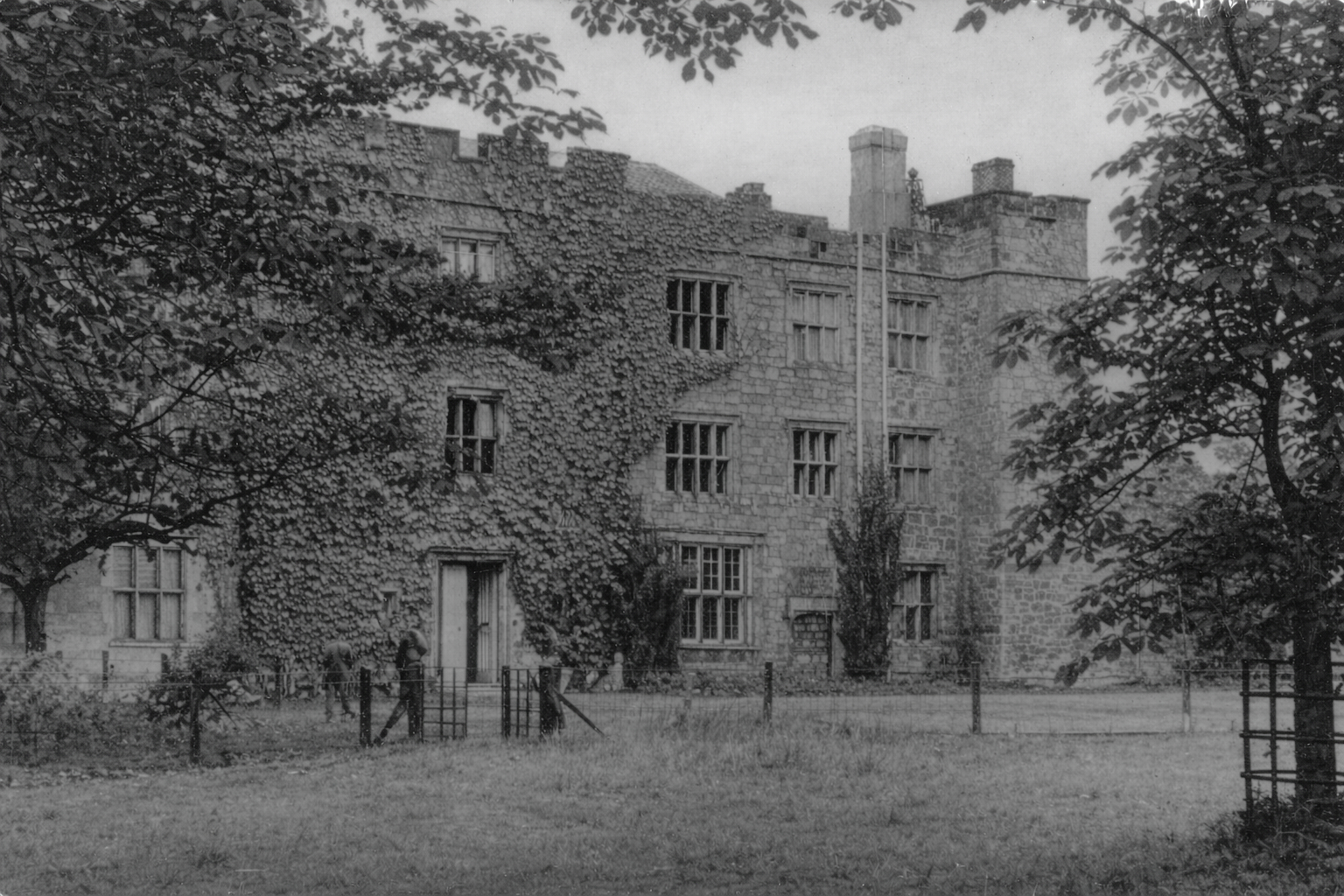
The country house occupied an ambiguous position within this landscape. Built to command extensive estates and often deliberately isolated from towns and villages, these houses embodied both privilege and retreat. Yet by the interwar years many had become increasingly difficult to sustain. Their scale, designed for large households and armies of servants, proved highly adaptable to institutional occupation. At the time when youth hostelling sought inexpensive accommodation in the countryside, the country house crisis was producing a supply of large, now vacant buildings whose original purpose had been undermined and were searching for a future.
Where Youth Hostels began
Founded in 1930, the Youth Hostel Association drew its inspiration from the continental model but quickly assumed a character shaped by English conditions.
Youth hostels were an idea conceived by the German school teacher but were a solution to a problem which had been the result of the new youth movement which had grown in popularity at the turn of the nineteenth-century. In central Europe, there had long been a tradition of purposeful roaming, seeking work and new opportunities. Around 1900 a new group – ‘Wandervögel‘ or Wanderbirds – rapidly flourished. In an era of strict social and societal hierarchies and expectations, and industrialisation, the idea took hold of mixed groups of young people freely wandering about the countryside, mountains, and forests. Carrying their supplies and accommodation, they mainly slept outdoors and lived a fairly itinerant lifestyle, mixing their wandering with working to sustain themselves.
Youth hostels as a concept were not a direct result of the Wandervögel but they tapped into a romantic, anti-urban mindset which combined a desire to experience nature with a wish to enable children from cities and towns to do so. Given the lack of places to play and explore, German schoolteachers often took their students on walks which might last an afternoon – or up to two weeks. Given the overnight requirements of the extended ‘tramps’, as they called their longer walks, one German teacher, Richard Schirrmann, naturally was concerned about finding suitable overnight accommodation as open air camping wasn’t suitable for younger children, and larger groups struggled to find somewhere big enough or cheap enough.
Schirrmann took matters into his own hands. From as early as 1907, he adapted the school in which he taught at Altena, in north-eastern Germany, rearranging classrooms to provide dormitory accommodation during the holidays, and establishing a system that was at once economical, orderly, and replicable. His initiative demonstrated that the problem was not one of demand but of organisation: buildings already existed which, with minimal alteration, could be pressed into temporary service. The subsequent development of the youth hostel movement in Germany, and later in Britain, followed this principle closely. In the early stages, purpose-built structures were neither necessary nor financially viable; instead, the reuse of existing buildings offered flexibility, speed of expansion, and the ability to respond to local conditions. In this way, adaptation rather than construction became the defining characteristic of the movement’s formative years.
The dawn of the YHA
Founded in 1930, the Youth Hostels Association sought to provide simple, inexpensive accommodation that would open up the countryside to a wider public, particularly the young, responding to the changes in working conditions as the six-day working week gave way to greater leisure time. In Germany, their principles of accommodation were determinedly modern, echoing the mood of the Bauhaus sweeping through the country. Richard Schirrmann held strong views, stating that ‘Buildings must be constructed to accommodate youth, the rising generation, simple and functional, easily ventilated, yet retaining the warmth, pleasant to live in, beautiful…’.
By contrast, in Britain, expansion was rapid but achieved despite little capital investment. Instead, the Association relied on local initiative, voluntary effort, and a readiness to adapt existing buildings. Hostellers arrived on foot or by bicycle, cooked their own meals, and slept in rooms never designed for such use, treating their surroundings not as heritage but as accommodation.
This practical approach soon led to the adoption of larger buildings. The interwar country house crisis produced a supply of vacant or underused houses that offered an immediate solution to the Association’s needs. Reuse was less a matter of choice than necessity: new building was prohibitively expensive, while the movement’s ethos favoured frugality over permanence. As a result, young people found themselves inhabiting houses that had previously been distant and exclusive, making them ordinary through use.
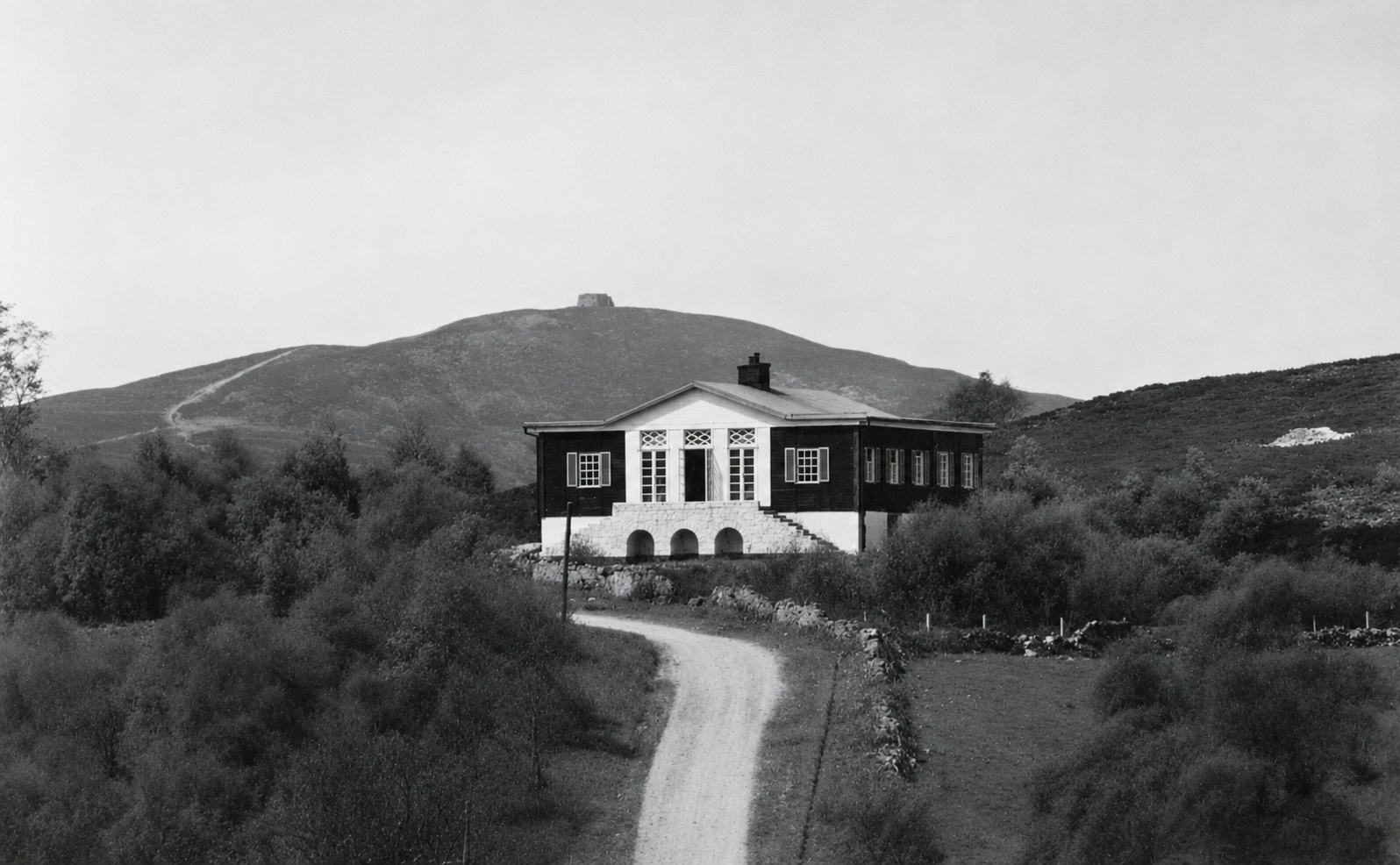
Despite the German example, few purpose-built hostels were built, primarily due to the cost, but also due to a particular British mindset which embraced and mythlogised the ‘spartan’ approach. Yet, some were built – but they strengthened the hand of those who favoured adaptation and reuse. One of the earliest examples, opening in 1931, was the hostel at Maeshafn in Wales. Designed by the fashionable architect, Clough Williams-Ellis (of Portmerion fame), the wooden structure mixed Italianate and Mediterranean styles, with bold, colourful decoration; the blue doors to the dormitories contrasting with the bright yellow of the common room walls. Inevitably, it exceeded the budget, costing £900 in total to accommodate a maximum of 52 members a night, whilst Hartington Hall cost £100 to make ready, and even the much larger Ilam Hall cost only £500. The YHA had secured funding from the Carnagie Trust to expand the network by creating four, purpose-built ‘demonstration’ hostels, but the bill for Holmbury St Mary came to £2,500 and the verdict from one of the legendary early wardens, Berta Gough, was that it was ‘a very beautiful hostel, but rather overdone. So much money had been spent on it!’. The YHA were equally aghast and reported back to the Carnagie Trust that funding should be spent buying or renting existing buildings and adapting them to their needs.
A very big house in the country
Large houses, with their ample rooms and service infrastructure, could be adapted with minimal intervention to accommodate significant numbers of hostellers. In this way, the reuse of existing buildings became not only the preferred option but the defining characteristic of early YHA expansion, embedding the movement within a wider pattern of architectural adaptation during a period of profound social change. The period of the 1930s-50s is particularly instructive because the YHA policy and acquisition criteria explains the presence of so many large country houses in early hostel use as a deliberate consequence of policy, finance, and ideology in the 1930s.
The circumstances under which the Youth Hostel Association came to occupy so many substantial country houses were, in the main, practical rather than strategic. Before the 1960s, outright purchase of any hostel building was rare. Instead, the Association relied on a fluid and economical pattern of tenure: short leases secured at modest rents, buildings loaned for temporary use, or informal agreements reached with owners and trustees keen to see otherwise empty houses kept in occupation. This arrangement suited both parties. For the country house owner, it offered a measure of security at a moment of uncertainty, reducing the risk of vandalism, providing a degree of caretaking, and in some instances easing the financial burden of an unoccupied property. For the YHA, it avoided the need for capital investment and allowed for rapid expansion. Many of these houses were, by this stage, already in a state of transition, recently vacated, awaiting sale, or simply too large to sustain. Their use as hostels was often understood, tacitly, to be temporary, which goes some way to explaining the provisional character that attaches to so many of them in retrospect.
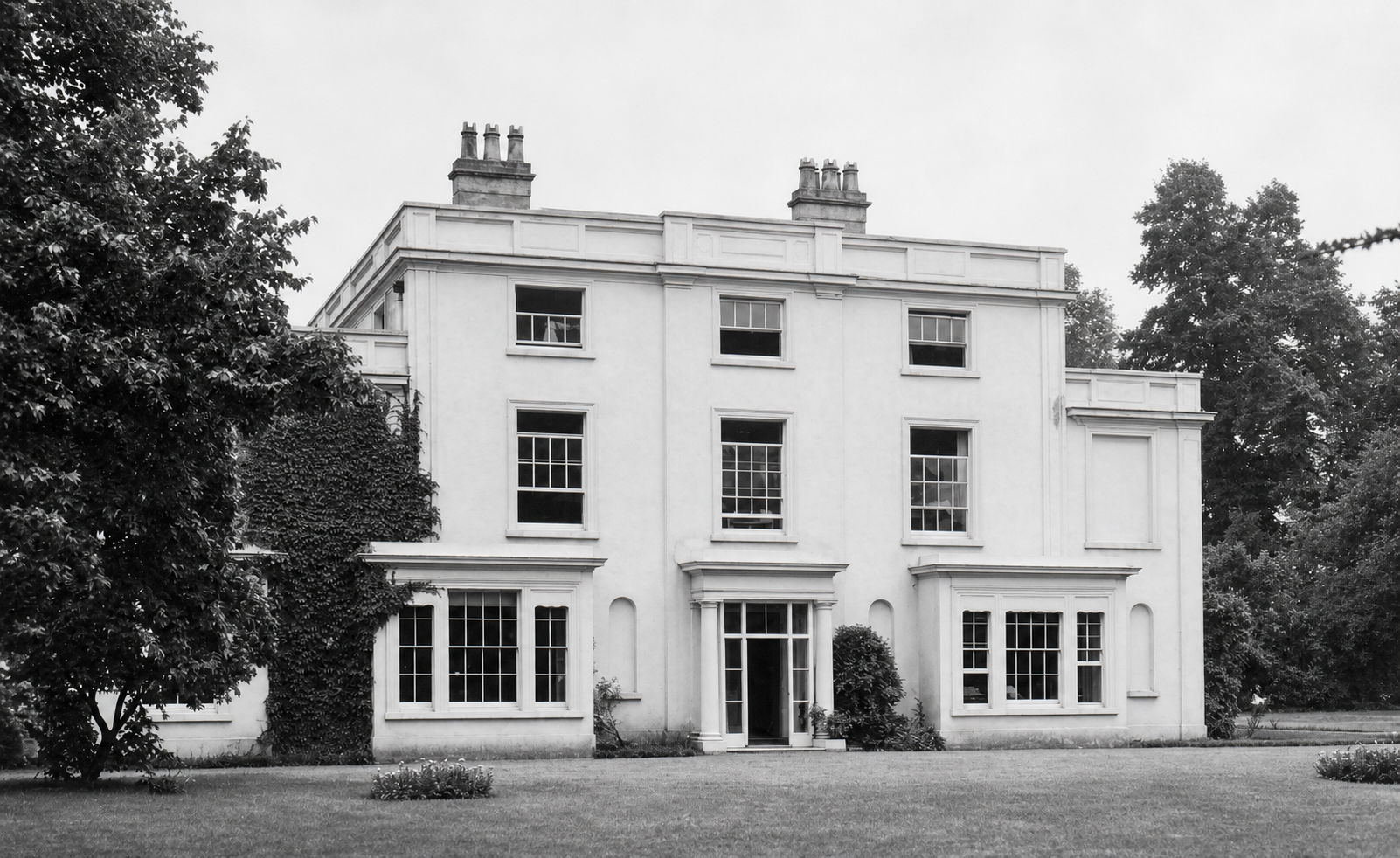
That these buildings could be so readily adapted owed much to their inherent planning. The country house, particularly in its 18th- and 19th-century forms, lent itself remarkably well to institutional reuse. A multiplicity of bedrooms could be converted into dormitories with little difficulty; service wings provided a natural means of separation for staff and, where required, for men and women; kitchens designed for large households proved more than adequate for communal catering; and the principal rooms, stripped of their original function, served easily as shared spaces. Alterations were generally modest, limited to the introduction of bunk beds, basic washing facilities, and such safety measures as were deemed necessary at the time. It is no coincidence that houses of this period predominate within the early YHA network. Earlier buildings, with their more irregular plans and constrained accommodation, were less easily pressed into service, whereas the later country house, built for scale and efficiency, proved unexpectedly well suited to a new, collective way of inhabiting space.
‘Mansion hotels’
Each YHA region developed a distinct geographical sphere of activity. Members from Birmingham, for example, were drawn westwards into the landscapes of Wales, while the North Midlands Group found itself exceptionally well-placed, with the Peak District quite literally on its doorstep. This proximity proved significant. The group emerged as one of the most enterprising within the movement, playing a leading role in broadening the range and character of accommodation, and in extending youth hostelling beyond its earliest, more rudimentary forms. The North Midlands group were also fortunate to have as their Regional Secretary a man highly adept at navigating the local networks: Mr Laurence Ramsbottom.
As a man who felt that the beauty of the countryside was a cause worth fighting for, Laurence Ramsbottom wasted no opportunity or angle from which he could put the case for the amenities and benefits of the open air. His passion and pragmatism led him to champion a form of accommodation of which there were many – and many were in dire need of a new purpose: the country house. Their size was their inherent advantage in that they could comfortably include over a hundred beds, far more than many other hostels, which then encouraged visits from groups such as schools (which neatly aligned with Richard Schirrmann’s original vision).
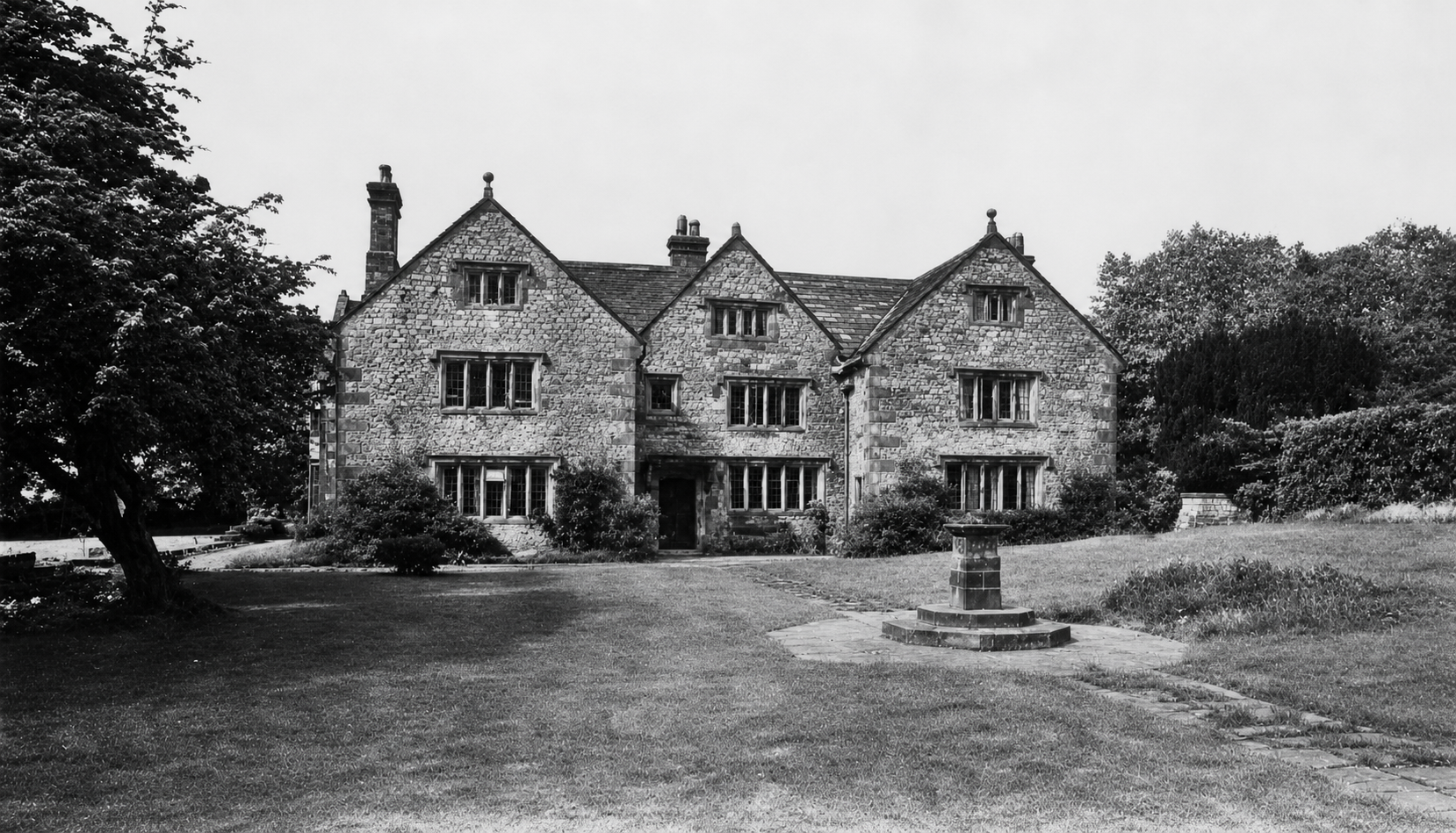
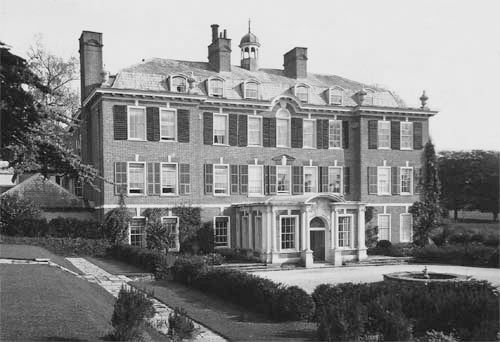
In the Midlands in the 1930s, sadly many country houses were desperately seeking new owners or tenants – or awaiting demolition. One of the first to find a new life – and one it still enjoys today – is Hartington Hall. Built in 1611 by Hugh Bateman, the H-plan house was substantially altered and enlarged in 1862 for Thomas Osborne Bateman. It remained in the family until it was taken over by the YHA, opening in Easter 1932, having been modernised with electricity and central heating.
Not far from Hartington Hall stood another house that, though always intended as a temporary arrangement, was arguably the most magnificent building ever to serve as a youth hostel. Derwent Hall, built in 1672 and once a residence of the Dukes of Norfolk, had been purchased in 1920 from Viscount Fitzalan of Derwent by the Derwent Valley Water Board in preparation for a major flooding scheme for what would become Ladybower Reservoir. Since such large public works would take around a decade to complete, Laurence Ramsbottom recognised a rare opportunity to ensure that such a fine property did not stand empty in the meantime.
Ramsbottom met with the Derwent Water Board, offered rental of £50 a year – and was accepted. The Manchester and North Midlands Groups joined forces to meet the challenge, with North Midlands members raising the £50 annual rent – beyond the group’s immediate resources – by paying life memberships in advance. Still needing funds to adapt and equip the hall, they approached the Manchester group. Jointly, the members of both groups formed the necessary working parties to clean the house, which at that point had uninhabited for seven years, and decorate and furnish it, providing a total of 130 beds.
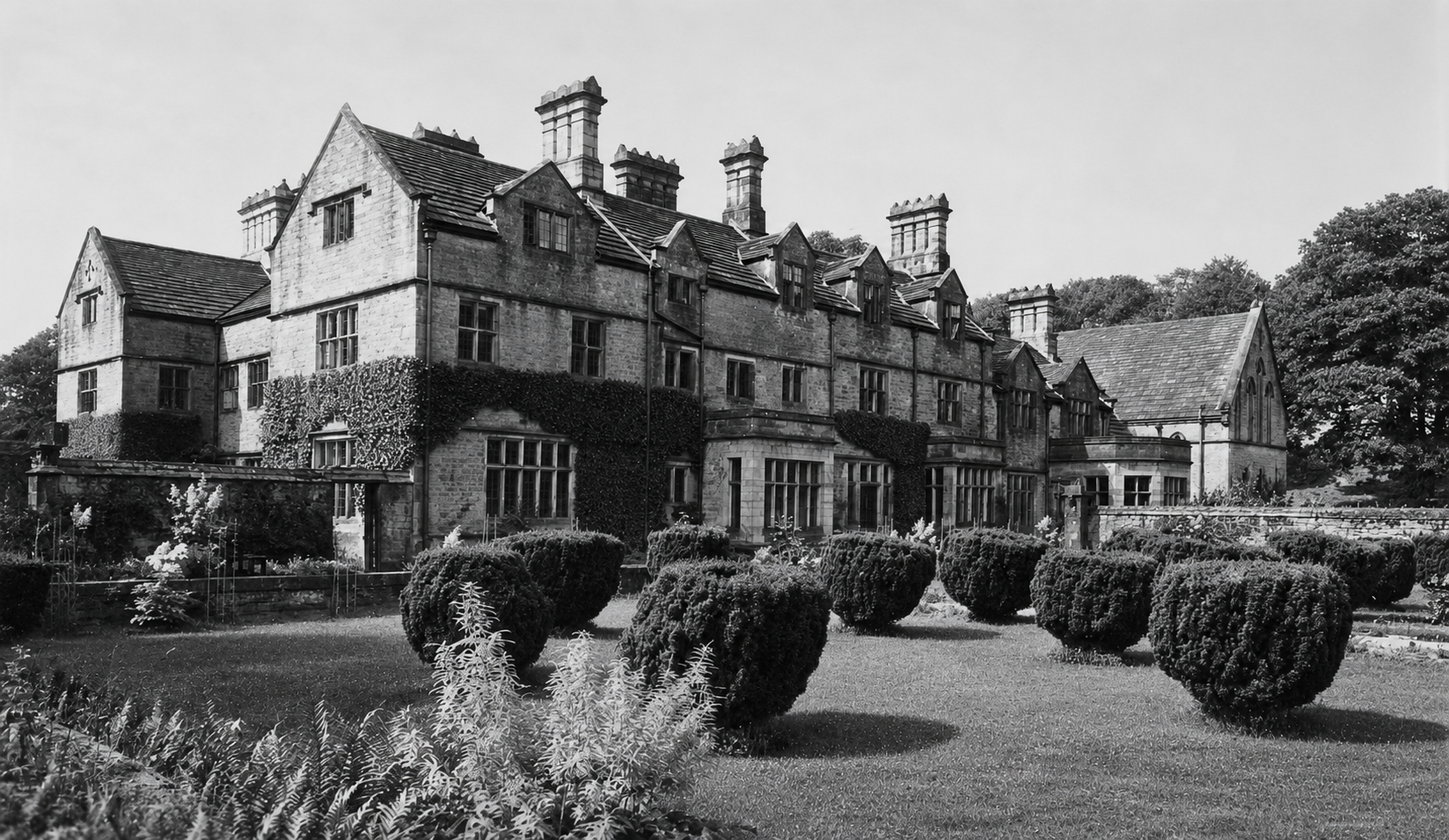
Although it officially opened in 1932, a diary entry from October 1931 by Bertha Gough, a legend in the early history of the YHA, recalled that “Although the hostel is a very beautiful one, the self-cookers’ room and equipment was terrible.“. Much work clearly needed to be done to make it ready for the wider membership.
With strenuous effort, in June 1932, its doors were formally opened to hostellers by the Prince of Wales, who declared that “It is of immense benefit, particularly to those who are forced to lead dreary lives, that they should be able to get out here to this beautiful spot.“.
Less snobbily, a year later, Laurence Ramsbottom reflected in an article in The Rucksack (the YHA official magazine) that,
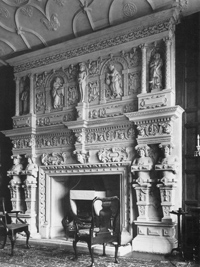
‘It challenged Youth to a great trust in taking possession of the first of our fine old mansions, with many of its treasures, in the shape of magnificent oak panelling and beautiful gardens, still intact. In effect, it said to Youth, ‘these beautiful things are yours; learn about them, care for them, and treasure them. Take the lesson with you in to the countryside and cherish that too with the same affectionate regard.’
Their faith in the conduct of the hostellers seemed to be well-placed. Although there was a fear that giving access to historic houses might put them at risk of vandalism, when Oliver Coburn was reflecting on the first 21 years of the YHA, he disagreed. In his opinion, ‘…the standard of behaviour in the Peak District countryside is better now than the present generation has known. Derwent Hall has become a great influence.‘.
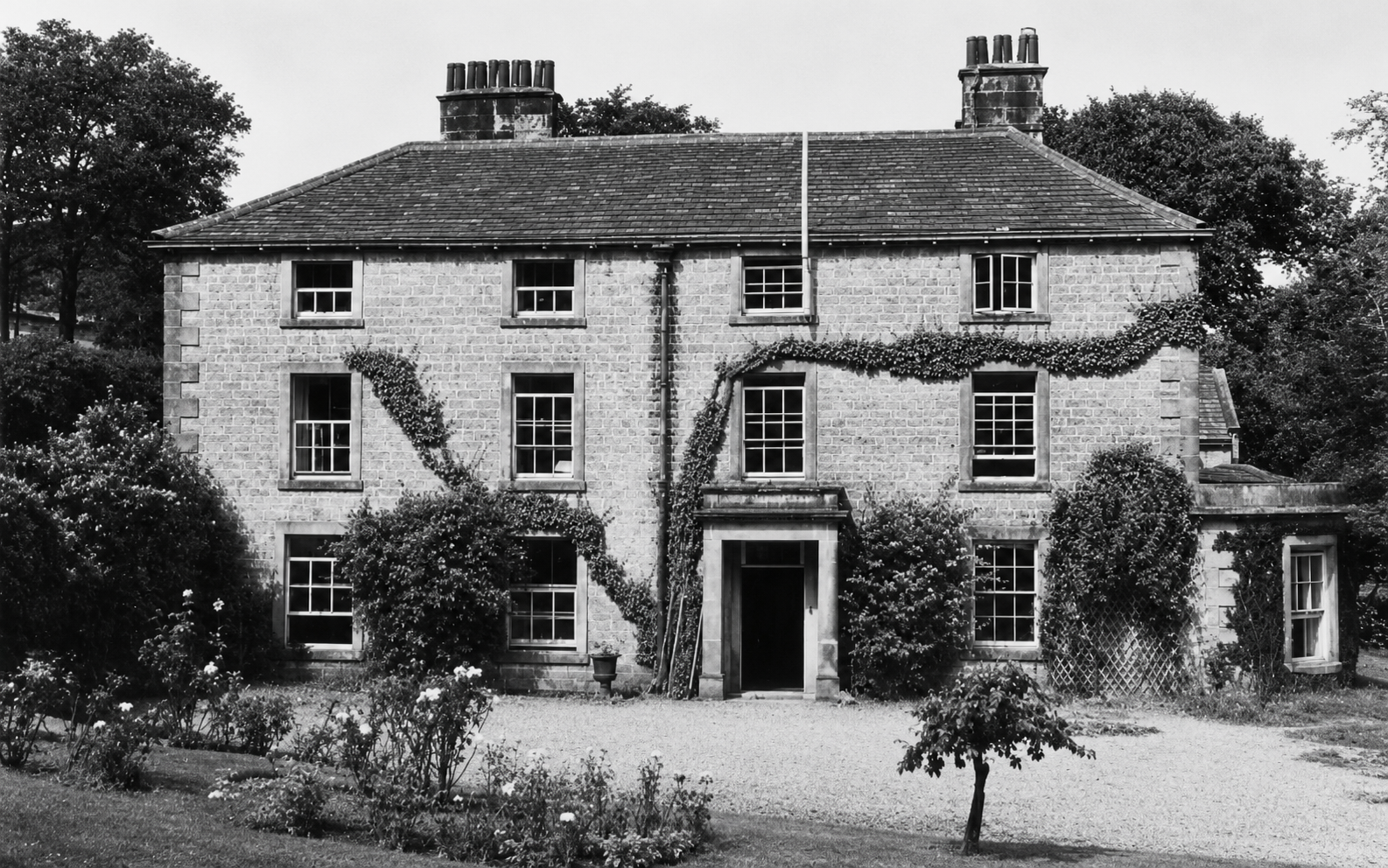
After Derwent and Hartington Halls, other country houses followed with Overton Hall opening in 1933, and Ilam Hall, Ravenstor, Bennetston Hall, Tor Dale and Leam Hall, also becoming part of the regional network.
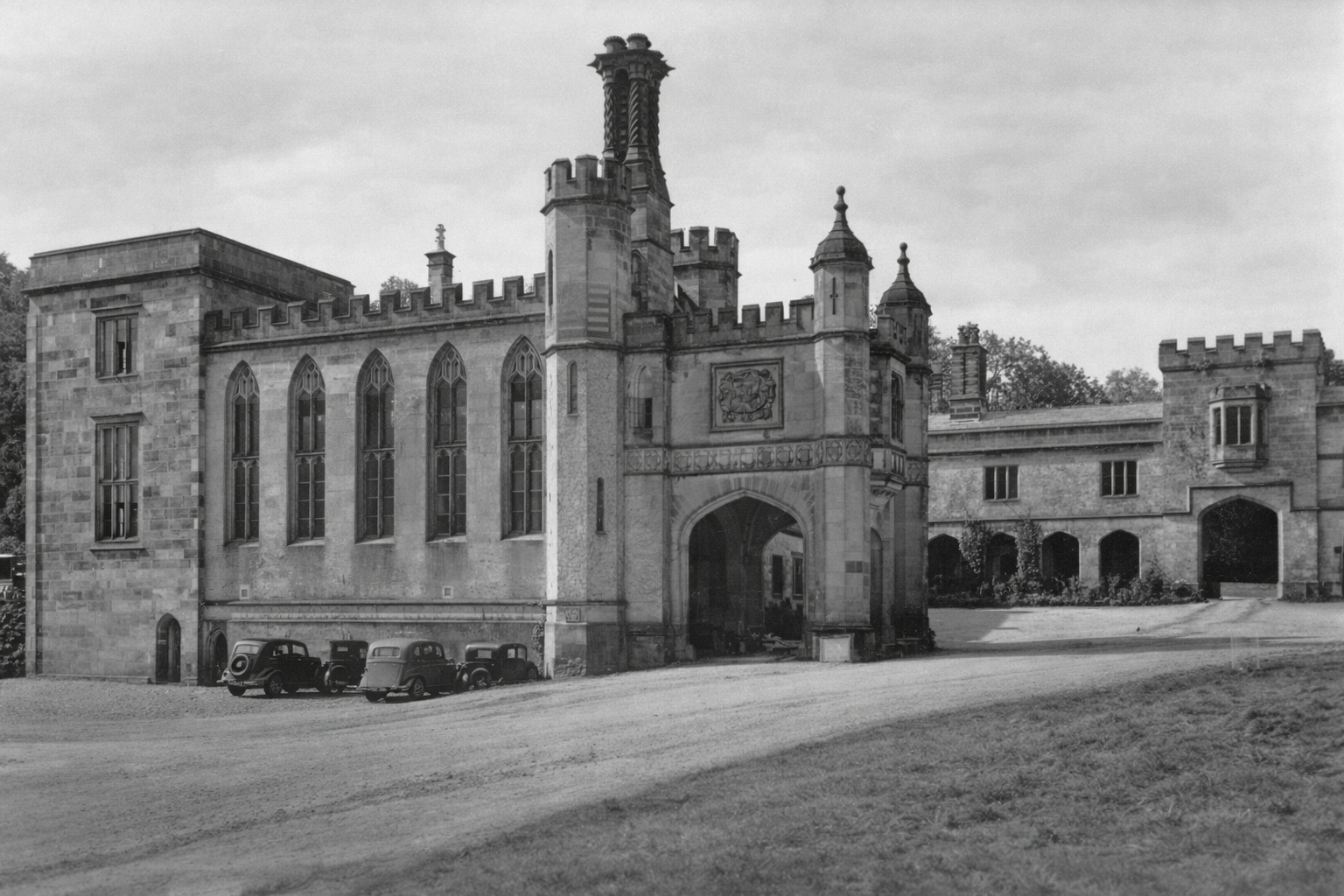
Ilam Hall might have been the crown jewel if only the YHA had been able to take it on earlier. A particularly fine house, it was originally the seat of the medieval Booth family, and then passed by marriage in the 18th century to the Port family. The main house was a Gothic Revival rebuilding of the 1820s-30s by the architect John Shaw, commissioned by Jesse Watts Russell, who remodelled the estate village and park in a picturesque style. In 1927 the estate was sold to Edward Backhouse, who attempted to run it as a hotel and pleasure grounds, but the venture failed. The property was then sold to a demolition company, and significant parts of the house – including many principal rooms and decorative features – were lost.
The surviving structure, largely the former service wing, was rescued and restored through the intervention of Sir Robert McDougall (of McDougall’s flour) and John Cadbury (of Cadbury’s chocolate). In 1932 the remaining c.84 acres and the house were given to the National Trust, with the stipulation that it be used by the Youth Hostels Association. The building, now only about a third of its original size, has continuously operated as a youth hostel since the mid-1930s. In 1937, Cadbury was also responsible for finding the Elizabethan Wilderhope Manor in Shropshire, which he again donated to the National Trust on the understanding that it be only used as a youth hostel.
An indication of the enthusiasm for the new opportunities can be gauged by how quickly the number of hostels grew. The concept of ‘adopted hostels’ was crucial to the expansion with privately-owned locations being included in the YHA network as long as they met certain standards. The YHA was formed in April 1930 and in Easter 1931 there were 11 hostels but by March 1932 this has grown to 100 – though a quarter of these were in farms or repurposed farm buidlings. By 1936, over 160 more had become available taking the total to 262 hostels, and by 1939 the network extended to 297 hostels with a capacity of 10,689 beds – but crucially, of those, only 24 were owned by the YHA with another 30 formally leased.
Many others were smaller properties, sometimes affiliated on a short-term basis, but the larger properties provided substantial accommodation to bolster the capacity in key areas. However, the houses were still large historic buildings and inevitably the same issues which had often led to their disuse were also a challenge to the YHA. As Oliver Coburn noted, the YHA faced challenges in maintaining the extensive grounds which often came as part of the gift. Whilst it was central to the hostellers’ ethos to spend time maintaining the buildings, it was beyond the volunteers resources to mow acres of lawn and care for dozens of plants.
The tide turns
Although the willingness to accept substantial historic property addressed the rapidly increasing demand, it was also laying the seeds of larger problems later on. As any owner of a historic house will attest, the costs of running one are substantial and only increase. As the attitudes of their members moved away from embracing, or even just accepting, simplicity and spartan conditions, their expectations as to the quality of their accommodation and the amenities provided moved in step with the new comforts they enjoyed at home. By the 1960s, the YHA was competing with foreign travel and higher domestic living standards and faced a serious challenge to provide the funding necessary to not only maintain the properties but also upgrade for the next generation.
The very buildings that had made expansion possible now became a financial burden. Vast houses designed for wealthy families and numerous servants were expensive to heat, maintain, and modernise. For the YHA, the challenge was no longer simply to provide beds in the countryside, but to reconcile its founding ideals of economy and accessibility with the mounting costs of preserving and upgrading an ageing estate. What had once seemed an almost inexhaustible supply of magnificent accommodation increasingly revealed itself as an increasing liability. Many of the houses that had given the movement its distinctive character now stood at the centre of a difficult question: whether an organisation created to provide affordable access to the countryside could also afford to remain the custodian of some of its grandest buildings.
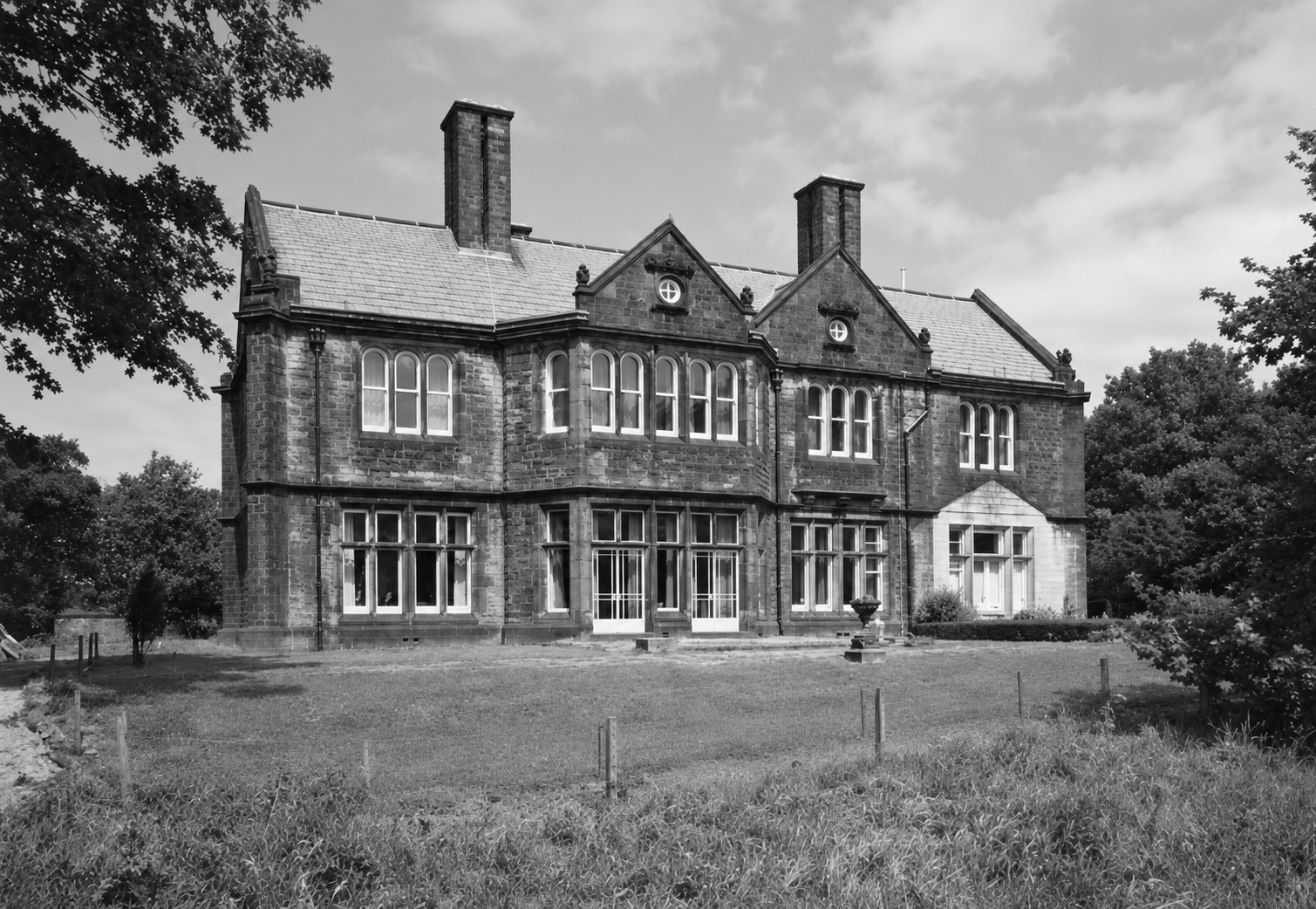
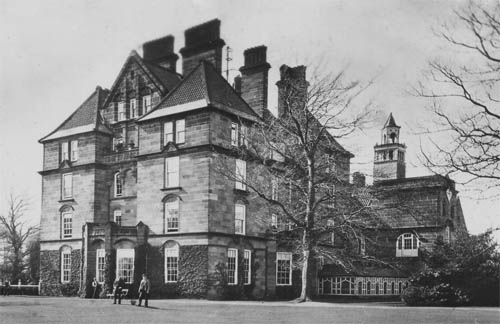
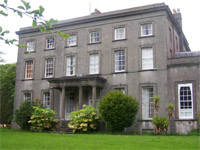
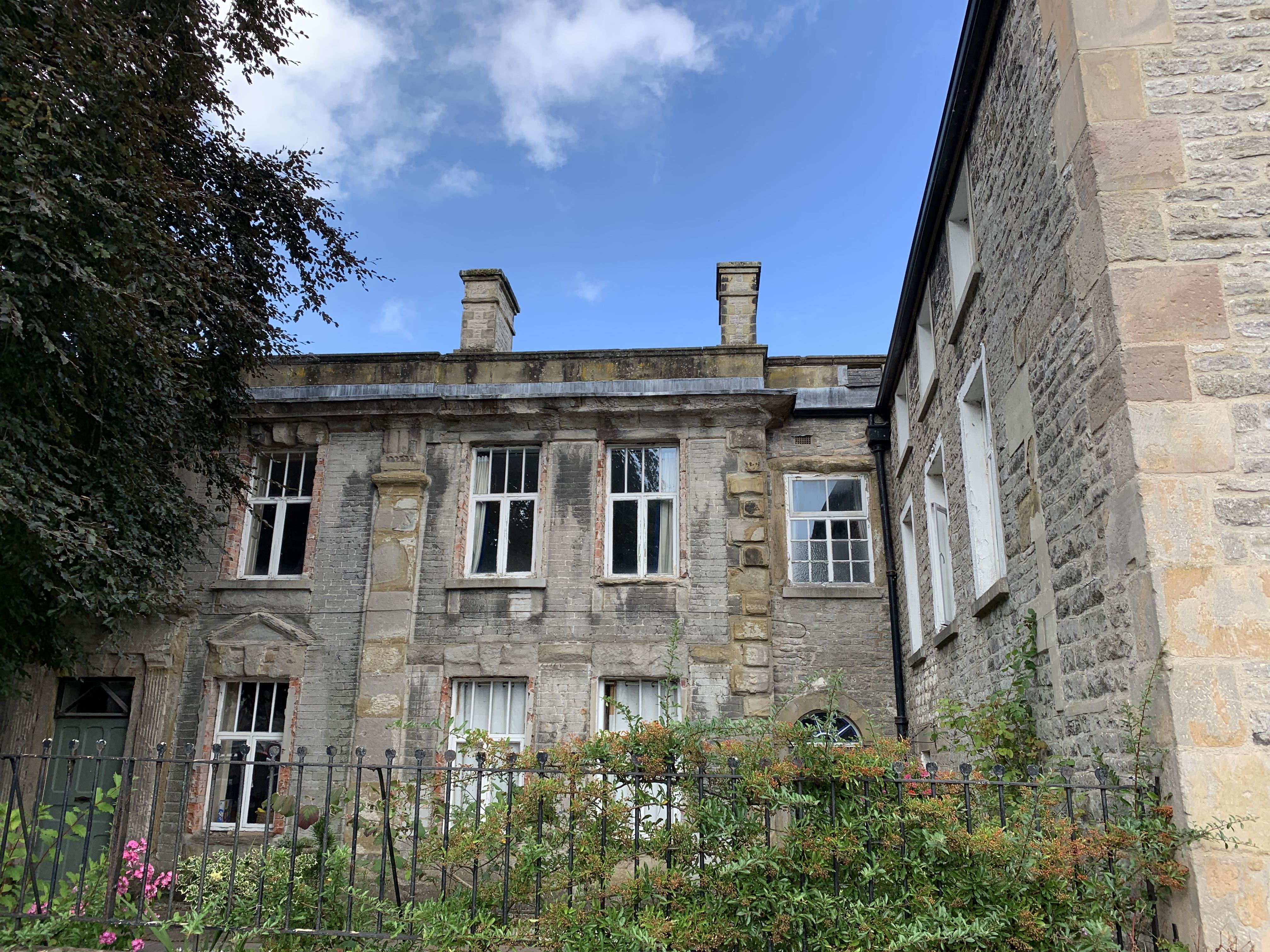
The YHA reached a peak in 1950 of 303 hostels. In 2023, it was reported that the YHA was looking to rationalise their network further, with the disposal of 20 YHA sites plus 13 affiliated ‘network’ properties. This included the 89-bed ‘Longlands Hall’, aka YHA Haworth, a large Victorian Gothic house built in 1884 for mill owner Edwin Robinson Merrall, which the YHA had acquired In the 1970s, opening in 1976. Another example was Castleton Hall, Derbyshire, located in Castleton. A surprisingly assertive Georgian house, its severe limestone walls transformed by a swaggering Baroque frontage of giant pilasters, heavy pediments and boldly cut stonework. The substantial doorway, monumental window surrounds and emphatic classical detailing lend an almost palatial character to what is essentially a Yorkshire country house. It’s use as a hostel was strongly in the tradition of how the YHA once operated – but following a review, it was sold in 2015. However, as an example that the country house tradition was not totally lost, the gap in the network was replaced by Losehill Hall, situated just outside Castleton.
Although the YHA network is much reduced, down to 73 directly-owned locations, over 810,000 guests stayed in YHA accommodation in 2024-25. Despite smaller group and solo traveller preferences increasingly rejecting the dormitory accommodation, larger properties help meet social impact objectives such as enabling groups of young people to experience the countryside. This means properties such as Ilam Hall, have remained but the latest network strategy has continued to shrink coverage, with other older locations such as Trafford Hall, Chester, being more at risk due to their higher running and maintenance costs.
Conclusion
In these years, the country house became, for a time, neither a symbol of aristocratic continuity nor an object of heritage reverence, but something far more prosaic. It was a place to sleep after a long day’s walking, to brew tea in cavernous kitchens designed for battalions of servants, to dry sodden boots beneath ceilings once intended to impress. Drawing rooms became dormitories; servants’ corridors echoed with laughter rather than whispers. The architectural language of hierarchy was not erased, but it was translated into something more democratic – and in many cases, more affectionate. This mass occupation gave generations of young explorers a means to explore the world and broaden their horizons.
On such powerful memories, the role of the houses was both central but also ancillary – admiring these houses was not the purpose of their visit, but the parts they played created a powerful backdrop to these formative phases of their lives. With such strong associations, it is perhaps little surprise that the walkers of the early- to mid-twentieth century may have been a fertile ground on which to plant the seeds of heritage preservation. The fruits of this germination may well have contributed to the wider preservation of the country house as a national institution, not only those available to the public, but as a cultural touchstone which can still be felt today.
Acknowledgements
I am deeply indebted to Duncan Simpson, former YHA Head of Corporate Affairs and house warden, for his excellent book – ‘Open to All‘ and his wonderfully helpful website, ‘Simply Hostels‘. Both are a wealth of resources on his experiences working for the YHA and the history of the organisation. His website also hosts an invaluable archive of hostel profiles written by John Martin, YHA’s volunteer archivist.
Select bibliography
- ‘Open to All – How Youth Hostels Changed the World‘ – Duncan Simpson (2020, self-published)
- ‘Landscape and Englishness‘ – David Matless’ (2016, Reaktion Books)
- ‘Youth Hostel Story‘ – Oliver Coburn (1950, National Council of Social Service)